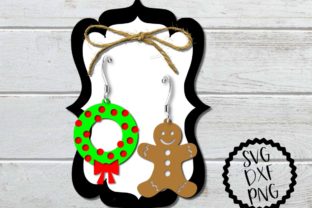
Wreath & Gingerbread Earrings Graphics for Print Templates
As a brand designer specializing in local retail and artisan markets, I approach every new graphic design asset with a critical eye toward commercial viability. When evaluating the Wreath and Gingerbread Man Earrings collection, my first impression is one of nostalgic warmth mixed with contemporary maker culture. This isn't just a seasonal clipart set; it suggests a specific brand personality that is handcrafted, intimate, and intentionally playful. For a local business owner, particularly in the handmade jewelry, boutique gift, or holiday pop-up space, this aesthetic signals to customers that the product was made with care rather than mass-produced. The mood strikes a balance between festive tradition and modern craft, making it suitable for businesses that want to feel established yet accessible.
Evaluating Brand Personality for Artisan Jewelry Lines
In a recent project for a local handmade jewelry studio preparing for their winter market season, we needed visuals that communicated "giftability" without looking generic. The Wreath and Gingerbread Man Earrings designs excel here because they bridge the gap between product representation and lifestyle emotion. Unlike standard vector icons, these illustrations carry a texture and weight that mimics physical materials like polymer clay, wood, or acrylic. For a small business branding project, this is crucial. It tells the customer exactly what to expect: tangible, wearable art. If you are running a bakery that also sells merchandise, or a candle shop adding seasonal accessories, this asset reinforces a cohesive, cozy narrative across different product categories. It avoids the sterile look of corporate holiday graphics, leaning instead into the organic imperfections that define successful handmade business identities.
Strategic Applications in Packaging and Label Design
The true test of any print template or graphic element is its versatility across physical touchpoints. In our case study, we utilized these earring motifs as secondary brand elements rather than primary logos. This distinction is vital for maintaining professional hierarchy. We integrated the wreath silhouette into custom tissue paper patterns and used the gingerbread man outline as a subtle watermark on kraft paper product label stickers. Because the files include SVG and DXF formats, they are exceptionally useful for businesses that handle their own production. You can easily send these vectors to a laser cutter for acrylic signage or use them to create custom rubber stamps for unboxing experiences.
For digital applications, the high-resolution PNG files serve as excellent anchors for social media graphics. We placed the earring illustrations in the corners of Instagram carousel posts to frame product photography without obscuring the actual jewelry. This creates a consistent visual border that trains followers to recognize your content instantly. In packaging design, these graphics work beautifully on hang tags and thank-you cards, adding a layer of perceived value. When a customer receives an order wrapped with branding that matches the seasonal spirit of the product inside, it strengthens emotional connection and encourages social sharing.
Where These Festive Assets Drive Sales and Trust
Visual consistency builds trust, especially for emerging brands. Using the Wreath and Gingerbread Man Earrings graphics helps establish a polished brand identity during the high-stakes holiday rush. They are most effective when used to support, not replace, clear communication. I recommend deploying these assets in hero sections of your website banners, as decorative accents on price lists, and within email marketing headers. They function as visual cues that guide the customer’s eye toward key information. For example, placing a small wreath icon next to "Holiday Shipping Deadlines" makes logistical text feel friendlier and more aligned with the season's joy.
These graphics also shine in product mockup presentations. If you sell digital downloads or printable designs yourself, using these earring shapes as part of your listing images demonstrates potential uses to your buyers. For physical product sellers, incorporating these motifs into your booth display or market tablecloth design creates an immersive environment. This level of detail separates serious vendors from hobbyists. When your marketing visuals match the quality of your physical goods, customers subconsciously assume higher product standards, justifying premium pricing.
Navigating Visual Hierarchy and Design Limitations
While charming, this asset requires careful placement to avoid undermining professional branding. As a designer, I must caution against using these intricate illustrations in areas requiring rapid legibility. Do not place the gingerbread man graphic directly behind ingredient lists, legal disclaimers, or small-font care instructions. The decorative nature of the design will compete with essential text, creating clutter and frustration. Similarly, luxury minimalist brands should proceed with caution; if your aesthetic relies on vast negative space and stark typography, these whimsical shapes may feel out of place unless significantly abstracted or muted.
Avoid using these graphics as standalone logos unless your business name is explicitly descriptive. They are better suited as supporting illustration elements within a larger system. Also, be mindful of scale. On very small labels, such as 1-inch circle stickers, the fine details of the wreath or cookie texture may get lost in print. Always test at actual size before committing to a full production run. In editorial design or blog layouts, ensure the graphic doesn't distract from the main headline. The goal is enhancement, not domination. If the decoration overpowers your value proposition, it has failed its commercial purpose.
Technical Due Diligence for Commercial Implementation
Before integrating Wreath and Gingerbread Man Earrings into any client work or personal business collateral, rigorous testing is non-negotiable. Start by verifying the commercial license. Just because a file is available on a creative marketplace does not automatically grant rights for resale, packaging, or unlimited reproduction. Confirm specifically that the license covers physical products and digital templates if you plan to use them in those ways. Next, inspect the SVG structure. Open the file in Illustrator or Inkscape to ensure paths are clean and nodes are optimized. Messy vectors can cause errors when cutting vinyl or engraving wood.
- Test Color Modes: Convert the design to CMYK for print and RGB for web to check for color shifts. Festive reds and greens often dull in print; adjust saturation accordingly.
- Check Transparency: Verify that PNG backgrounds are truly transparent and free of white halos, which look unprofessional on colored packaging.
- Font Pairing: Test the graphic beside your chosen typeface. Script fonts may clash with the illustration's lines, while bold sans-serifs might overpower it. Find the typographic balance.
- Black and White Proof: Ensure the design holds up in single-color printing. Many budget-friendly packaging options rely on one ink color; the graphic must remain recognizable without color coding.
- Competitor Audit: Search Etsy and local markets to ensure this specific asset hasn't been overused in your niche. Unique visual hierarchy depends on differentiation.
Finally, consider the longevity of the asset. While perfect for Q4 campaigns, determine if elements like the wreath can be adapted for year-round use by removing overt holiday colors, or if they are strictly seasonal. Smart small business branding maximizes ROI on every design asset purchased. By treating Wreath and Gingerbread Man Earrings as a strategic component of your broader visual system—rather than mere decoration—you transform simple cut files into powerful tools for customer engagement and sales conversion. Whether you are designing a Canva template for social media or die-cut boxes for retail shelves, intentionality in application is what turns cute graphics into profitable brand equity.