What the Elf: Graphics & Crafts Asset Review
First Impressions: Assessing Holiday Whimsy for Client Work
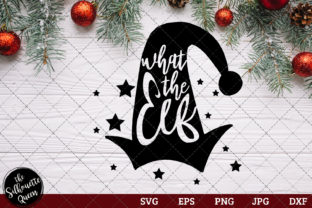
When evaluating a new graphic design asset for a seasonal client campaign, my primary concern is always versatility versus novelty. Upon reviewing What the Elf, the immediate impression is one of playful nostalgia balanced with modern vector cleanliness. This isn't just a generic holiday clipart; it carries a specific personality that bridges the gap between traditional Christmas aesthetics and contemporary handmade business branding. For a designer tasked with refreshing a boutique’s holiday line or creating engagement-driven social media graphics, this asset signals a lighthearted, approachable tone.
The visual mood strikes a careful balance. It avoids the overly childish aesthetic that often plagues holiday crafts, making it suitable for adult-oriented merchandise like wine labels, party invitations, or witty apparel. As a professional reviewing this for real-world application, I see What the Elf as a strong anchor for projects requiring emotional connection without sacrificing design integrity. It feels curated rather than cluttered, which is essential when integrating it into a cohesive brand identity for small businesses navigating the competitive holiday market.
Real-World Application: From Cricut Projects to Packaging Design
In a recent concept phase for a local candle maker’s winter collection, I tested What the Elf across multiple touchpoints to gauge its flexibility. The inclusion of high-resolution files makes this digital product particularly valuable for mixed-media campaigns. When applied to packaging design, specifically round jar labels, the illustration maintained its charm without competing with mandatory regulatory text. The visual weight was substantial enough to act as a hero element but detailed enough to reward closer inspection on physical shelves.
For Cricut project workflows, the vector integrity is paramount. I found the cut lines to be logical, avoiding unnecessary nodes that often plague cheaper SVG design files. This translates directly to cleaner weeding for vinyl decals and smoother cuts for cardstock layering. Beyond physical products, this asset performed exceptionally well in Canva template layouts for Instagram stories. Because the PNG includes a transparent background at 300dpi, it dropped seamlessly over textured paper backgrounds and solid brand colors alike, maintaining crisp edges that are vital for professional marketing visuals.
Designers working in print-on-demand will appreciate the scalability. Whether resizing for a mug wrap or a tote bag, the artwork holds up. However, its true strength lies in sticker design and greeting cards where the humor and style can take center stage. For an Etsy product listing, using this graphic as a thumbnail accent could significantly increase click-through rates by instantly communicating the festive, fun nature of the shop’s offerings.
Strategic Placement: Maximizing Visual Hierarchy and Impact
Knowing where to place What the Elf is just as important as the file quality itself. This asset thrives in large layout areas where it can serve as a focal point. It is ideal for:
- Hero Graphics: Use as the central visual on website banners or email newsletter headers to set an immediate seasonal tone.
- Product Mockups: Overlay on apparel or stationery mockups to help clients visualize the final retail product.
- Decorative Accents: Position in corners of flyers or posters to frame content without obstructing readability.
- Themed Collections: Pair with complementary typography to create a unified look across a holiday capsule collection.
Conversely, there are environments where this illustration requires restraint. Avoid using it in minimalist corporate branding or highly technical editorial designs where whimsy might undermine authority. In crowded layouts with heavy text, What the Elf can become visual noise; it needs breathing room to maintain visual hierarchy. Additionally, while excellent for consumer-facing creative design, it may not align with luxury high-end brands unless used ironically or as part of a very specific sub-line. Always consider the target demographic; this asset speaks to joy and tradition, not exclusivity or austerity.
Technical Due Diligence: Ensuring Commercial Viability
Before committing What the Elf to a paid client project, a rigorous technical check is non-negotiable. Professionalism lies in the details. Start by testing the asset in black and white. Does the contrast hold? If the design relies solely on color to define shapes, it may fail in single-color vinyl applications or monochrome printing. Next, verify the transparency of the included PNG. Zoom in to 400% to check for jagged edges or leftover white halos that could ruin a dark-background sublimation design.
Typography pairing is another critical test. I recommend placing the graphic alongside various font styles to assess compatibility. A bold sans-serif creates a modern design feel, while a flowing script enhances the traditional holiday vibe. Ensure the chosen typeface doesn't clash with the illustration's line weight. Furthermore, always confirm the commercial license terms. Just because a file is available on a creative marketplace does not automatically grant rights for mass production or client transfer. Documenting these permissions protects both the designer and the business owner from future legal complications.
Finally, run a test print. Screen resolution often deceives; what looks vibrant on a monitor may print muddy on uncoated stock. For printable design projects like wall art or planners, color accuracy is part of the value proposition. By validating these technical aspects upfront, you ensure that What the Elf transitions smoothly from a digital download to a polished, revenue-generating component of your client’s holiday strategy.
Final Verdict for Creative Professionals
What the Elf stands out as a reliable, versatile addition to a professional designer’s seasonal toolkit. It offers the right blend of character and technical quality needed for diverse applications, from t-shirt design to digital ads. While it demands thoughtful placement to avoid visual clutter, its ability to evoke warmth and engagement makes it a high-value asset for small business branding. When vetted properly and paired with strategic intent, this graphic elevates holiday projects beyond the generic, delivering results that resonate with audiences and satisfy client objectives. For designers seeking to streamline their workflow without compromising on festive appeal, this asset earns a confident recommendation for upcoming seasonal campaigns.